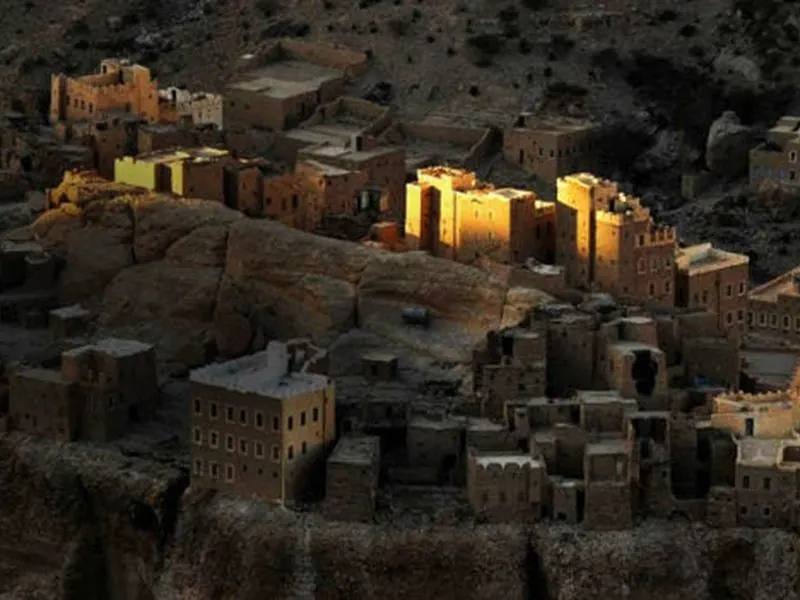
Desert valley
Hadramout
A narrow valley cut deep into a plateau, with mudbrick towns built onto the cliffs. The Sidr trees grow unirrigated on the slopes and valley floor.
Yemen Sidr
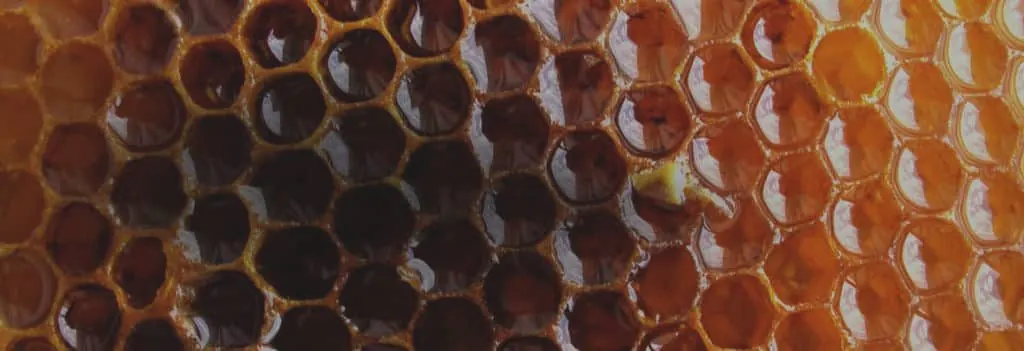
Yemen — Hadramout · Usimate · Shabwah
Buying in bulk? 7 kg gallons — See gallon pricing →Now year-round — every harvest by the 15.4 lb / 7 kg gallon · $995, about half the per-kilo jar rate, shipped free from Yemen · See gallon pricing →
Our regions
Desert valley, green highlands, arid plateau — three entirely different harvests.
Desert valley
A narrow valley cut deep into a plateau, with mudbrick towns built onto the cliffs. The Sidr trees grow unirrigated on the slopes and valley floor.
Yemen Sidr
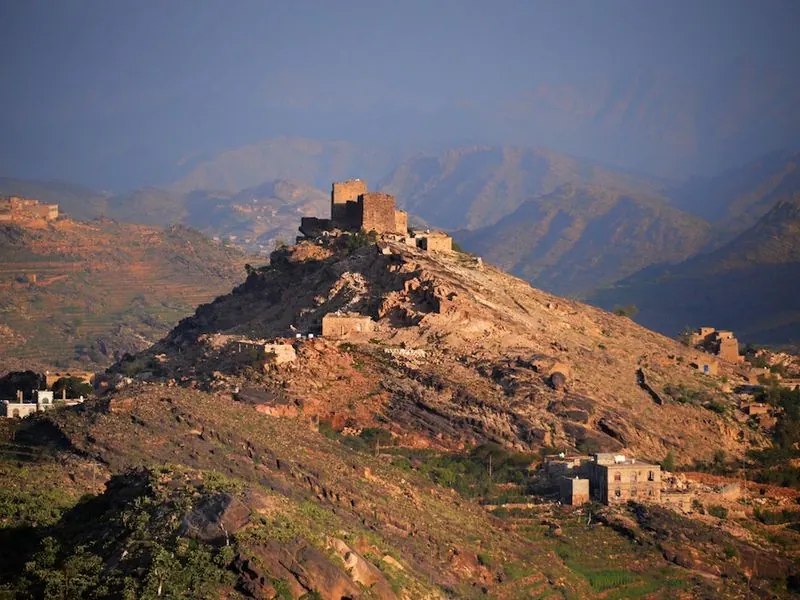
Green highlands
Mountain country, terraced and green for much of the year. The altitude and the rainfall give the harvest a different character from the desert valleys.
Photograph: Yemeni highlands (Haraz). Representative of the terrain, not of Usimate itself.
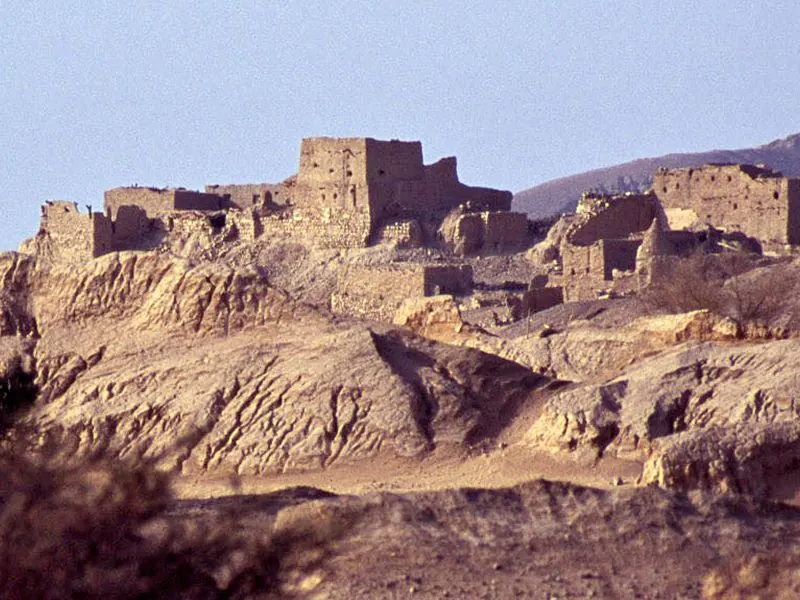
Arid plateau
West of Hadramout, drier and more open. Once the capital of the Hadhramaut kingdom and a staging post on the incense route.
Photograph: Shabwa, Yemen (Wikimedia Commons)
Filmed in the valley
Nomadic beekeepers move the hives to the trees and follow the bloom. A few weeks, by hand, a small yield — the whole reason for the price.
All priced the same. Choose on flavour, not on grade.
What people say
And one we did not ask for: Yemeni chef Akram Said, on camera.
Akram Said, Yemeni chef
First time trying it
Rather than describe the taste — watch first reactions.
5 out of 5 starsGreat-tasting honey! I have a question
Great-tasting honey! I have a question, though. Is there a reason you package your honey in plastic containers instead of glass jars? My understanding is that glass is more environmentally friendly, is recyclable, and is generally considered a better long-term storage option for honey since it doesn't interact with the product the way some plastics can. I was just curious about the reasoning behind your packaging choice.
5 out of 5 starsOne of the greatest and superior quality of honey that I ever tasted in my whole life
One of the greatest and superior quality of honey that I ever tasted in my whole life. I loved the packaging and the honey itself 💙🙏💙🙏💙🙏💙
5 out of 5 starsAdded to my daily routine
It's new to me, but I've started taking a spoonful a day and love the taste and blood glucose response so far.
5 out of 5 starsBrilliant Texture & Delicious
Brilliant Texture & Delicious. I'd never had Sidr honey before and loved it. It's unique.
5 out of 5 starsTaste great and tsp a day and have not been sick all winter
Taste great and tsp a day and have not been sick all winter . Hoping it continues and looking forward to more health benefits it will give me
5 out of 5 starsSo good
This is a few steps above good honey from the store. It is a complex flavor of richness. Truly hard to put into words. Between the health benefits and amazing taste, it is remarkably good.
5 out of 5 starsBest honey ever!
I am not a person who is very fond of honey and I have tried many different kinds but this honey has surpassed them all by far. This has to be thebest tasting honey I have ever had and will probably be the only honey I will continue to buy! It has a floral scent and a refreshing taste similar to candy but with floral notes in it. I have recommended this honey to quite a few other people and they all are going to be purchasing as well. 100/10!
5 out of 5 starsThe honey is mild yet complex
The honey is mild yet complex, it is everything it is described to be. Genuine Sidr Honey!
Collected and verified by Judge.me — every review is published, good or bad.
The science
Decades of studies, summarized in plain language — limits stated alongside findings.
Still unsure? Open a jar, taste it — thirty days to send it back.
Honey produced by bees foraging the blossom of the Sidr tree, Ziziphus spina-christi, which grows uncultivated across Yemen. The tree flowers for only a few weeks a year, which is why the harvest is small and the honey costly.
Sidr trees also grow in Saudi Arabia, Pakistan and elsewhere, usually irrigated. In Yemen they mostly are not — the trees take what rain arrives, and a tree under water stress produces less nectar, more concentrated.
There is no grading system for Sidr honey the way there is for Manuka, so ask which region and which harvest season. A seller who cannot name both does not know their own supply chain. We state the region and the season on every jar.
Yes, and it is a sign the honey has not been heat-treated. Crystallised honey is unchanged in quality — stand the jar in warm water for a few minutes if you prefer it liquid.