Valle desertica
Hadramout
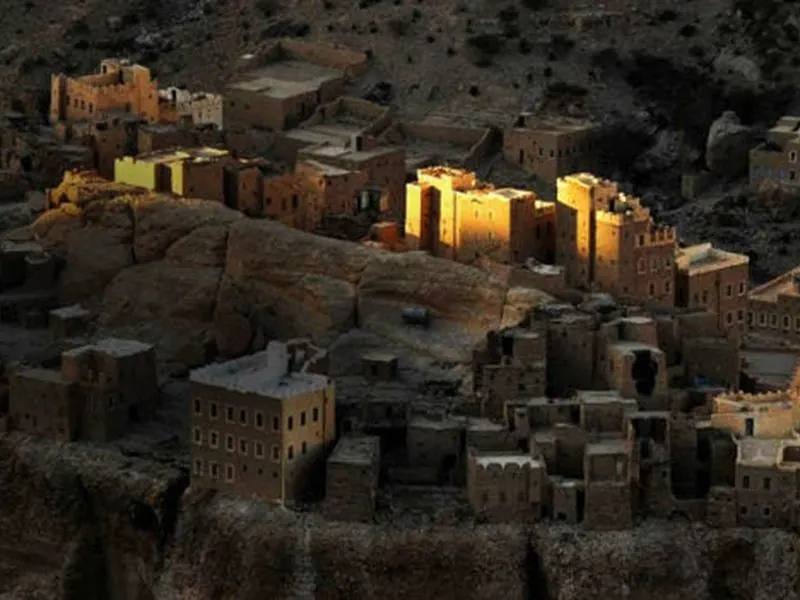
Una stretta valle scavata in profondità in un altopiano, con città di mattoni crudi costruite sulle pareti rocciose. Gli alberi di Sidr crescono senza irrigazione sui pendii e sul fondovalle.
Yemen Sidr
Yemen — Hadramaut · Usimate · Shabwa
Acquista in grandi quantità? Taniche da 7 kg — Scopra i prezzi delle taniche →Ora tutto l'anno — ogni raccolto in tanica da 15,4 lb / 7 kg · 995 USD, circa metà del prezzo al chilo dei vasetti, con spedizione gratuita dallo Yemen · Scopra i prezzi delle taniche →
Le nostre regioni
Valle desertica, altopiani verdi, altopiano arido: tre raccolti completamente diversi.
Valle desertica
Una stretta valle scavata in profondità in un altopiano, con città di mattoni crudi costruite sulle pareti rocciose. Gli alberi di Sidr crescono senza irrigazione sui pendii e sul fondovalle.
Yemen Sidr
Altopiani verdi
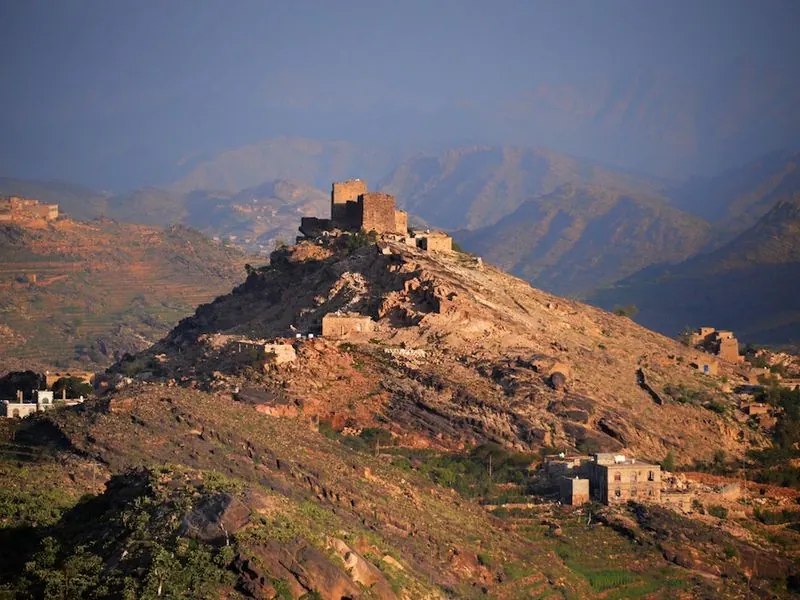
Territorio montuoso, a terrazze e verde per gran parte dell'anno. L'altitudine e le piogge conferiscono al raccolto un carattere diverso da quello delle valli desertiche.
Fotografia: altopiani yemeniti (Haraz). Rappresentativa del paesaggio, non di Usimate in sé.
Altopiano arido
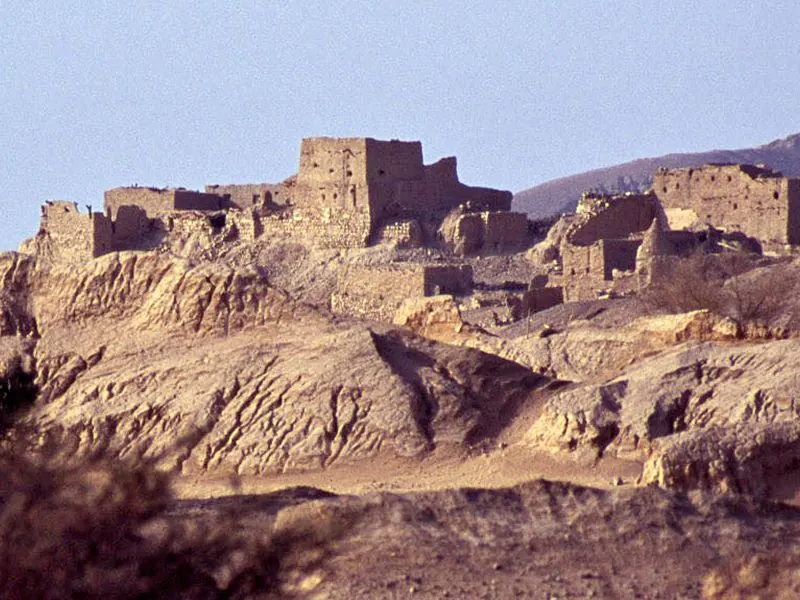
A ovest dell'Hadramaut, più secca e aperta. Fu la capitale del regno di Hadramaut e una tappa lungo la via dell'incenso.
Fotografia: Shabwa, Yemen (Wikimedia Commons)
Girato nella valle
Gli apicoltori nomadi portano le arnie fino agli alberi e seguono la fioritura. Poche settimane, a mano, una resa minima: è tutta la ragione del prezzo.
Tutti allo stesso prezzo. Scelga in base al sapore, non alla classificazione.
Cosa dicono i clienti
E una che non avevamo chiesto: lo chef yemenita Akram Said, davanti alla telecamera.
Akram Said, chef yemenita
La prima volta
Invece di descrivere il sapore, guardi le prime reazioni.
5 stelle su 5Great-tasting honey! I have a question
Great-tasting honey! I have a question, though. Is there a reason you package your honey in plastic containers instead of glass jars? My understanding is that glass is more environmentally friendly, is recyclable, and is generally considered a better long-term storage option for honey since it doesn't interact with the product the way some plastics can. I was just curious about the reasoning behind your packaging choice.
5 stelle su 5One of the greatest and superior quality of honey that I ever tasted in my whole life
One of the greatest and superior quality of honey that I ever tasted in my whole life. I loved the packaging and the honey itself 💙🙏💙🙏💙🙏💙
5 stelle su 5Added to my daily routine
It's new to me, but I've started taking a spoonful a day and love the taste and blood glucose response so far.
5 stelle su 5Brilliant Texture & Delicious
Brilliant Texture & Delicious. I'd never had Sidr honey before and loved it. It's unique.
5 stelle su 5Taste great and tsp a day and have not been sick all winter
Taste great and tsp a day and have not been sick all winter . Hoping it continues and looking forward to more health benefits it will give me
5 stelle su 5So good
This is a few steps above good honey from the store. It is a complex flavor of richness. Truly hard to put into words. Between the health benefits and amazing taste, it is remarkably good.
5 stelle su 5Best honey ever!
I am not a person who is very fond of honey and I have tried many different kinds but this honey has surpassed them all by far. This has to be thebest tasting honey I have ever had and will probably be the only honey I will continue to buy! It has a floral scent and a refreshing taste similar to candy but with floral notes in it. I have recommended this honey to quite a few other people and they all are going to be purchasing as well. 100/10!
5 stelle su 5The honey is mild yet complex
The honey is mild yet complex, it is everything it is described to be. Genuine Sidr Honey!
Raccolte e verificate da Judge.me — ogni recensione è pubblicata, positiva o negativa.
La ricerca
Decenni di studi riassunti in un linguaggio semplice, con i limiti indicati accanto ai risultati.
Ha ancora dei dubbi? Apra un vasetto, lo assaggi: ha trenta giorni per restituirlo.
Il miele prodotto dalle api che bottinano i fiori dell'albero di Sidr, Ziziphus spina-christi, che cresce spontaneo in tutto lo Yemen. L'albero fiorisce solo per poche settimane all'anno: per questo il raccolto è scarso e il miele costoso.
Gli alberi di Sidr crescono anche in Arabia Saudita, in Pakistan e altrove, di solito irrigati. In Yemen per lo più non lo sono: gli alberi si accontentano della pioggia che arriva, e una pianta in stress idrico produce meno nettare, ma più concentrato.
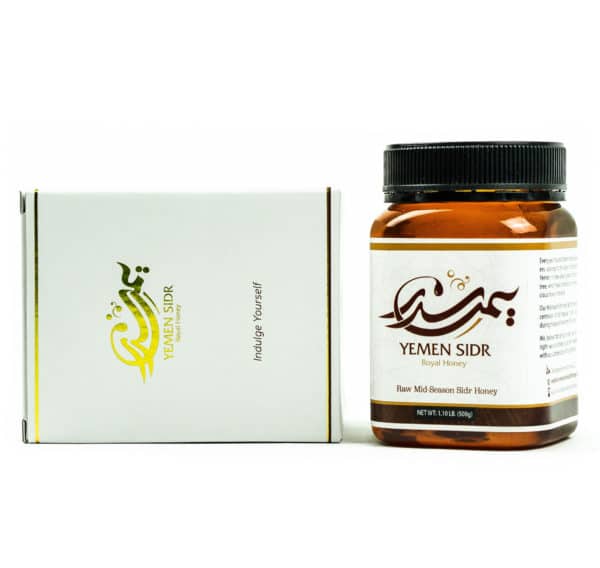
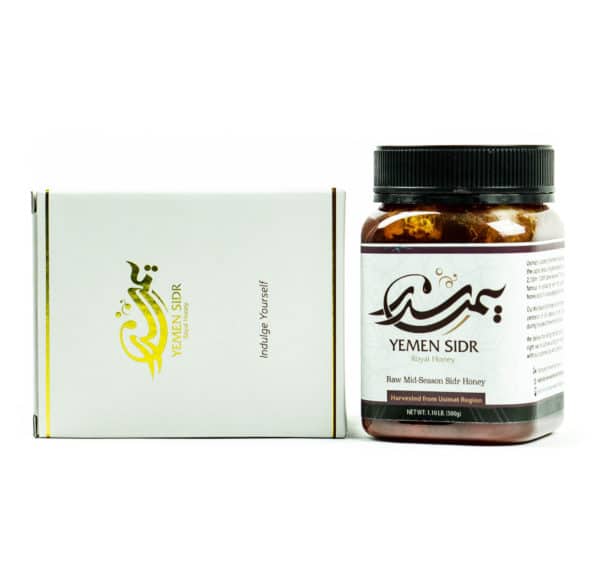
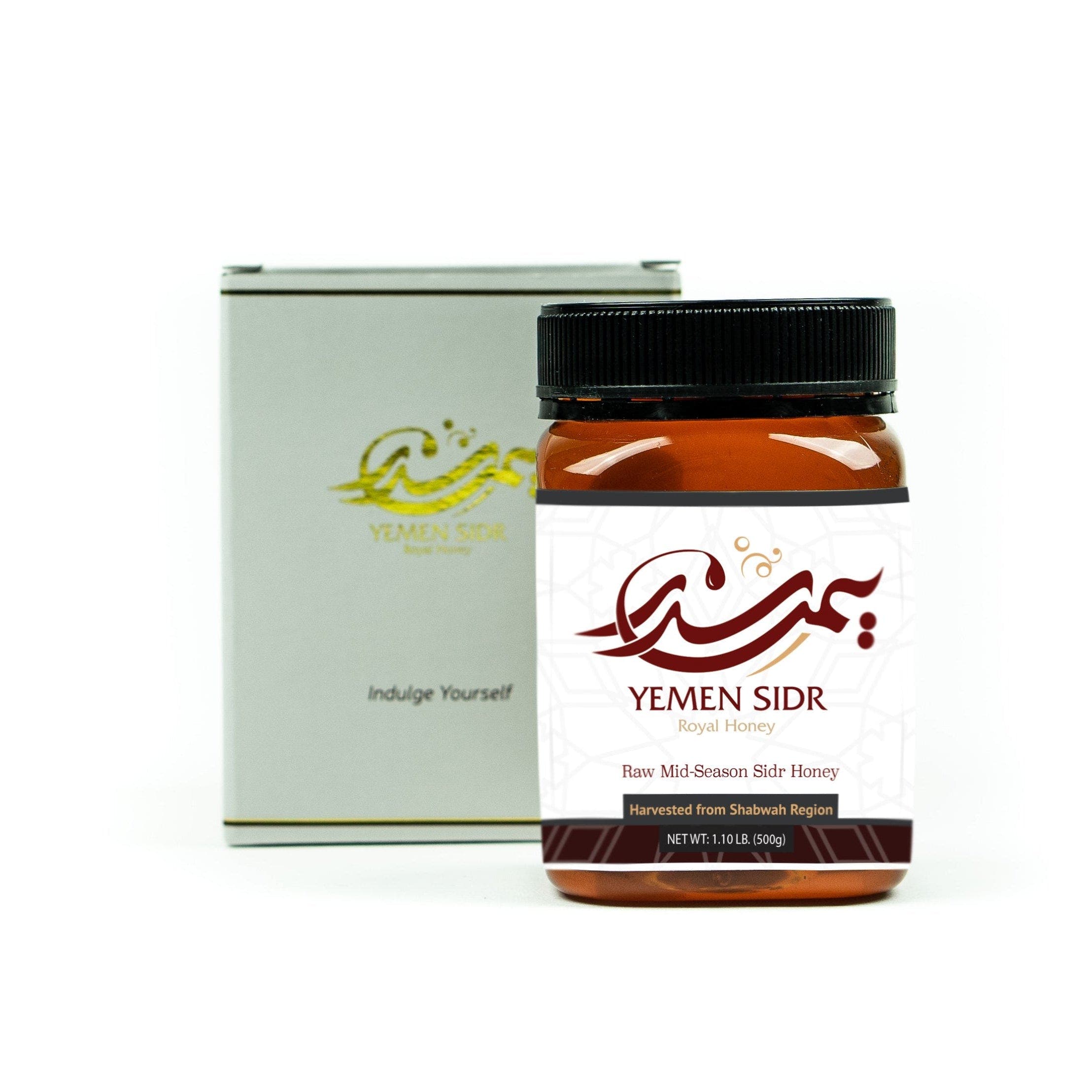
Per il miele di Sidr non esiste un sistema di classificazione come quello del Manuka, quindi chieda quale regione e quale stagione di raccolto. Un venditore che non sa indicare entrambe non conosce la propria filiera. Noi indichiamo regione e stagione su ogni vasetto.
Sì, ed è il segno che il miele non è stato trattato a caldo. Il miele cristallizzato mantiene la stessa qualità: se lo preferisce liquido, immerga il vasetto in acqua calda per qualche minuto.