
Journal
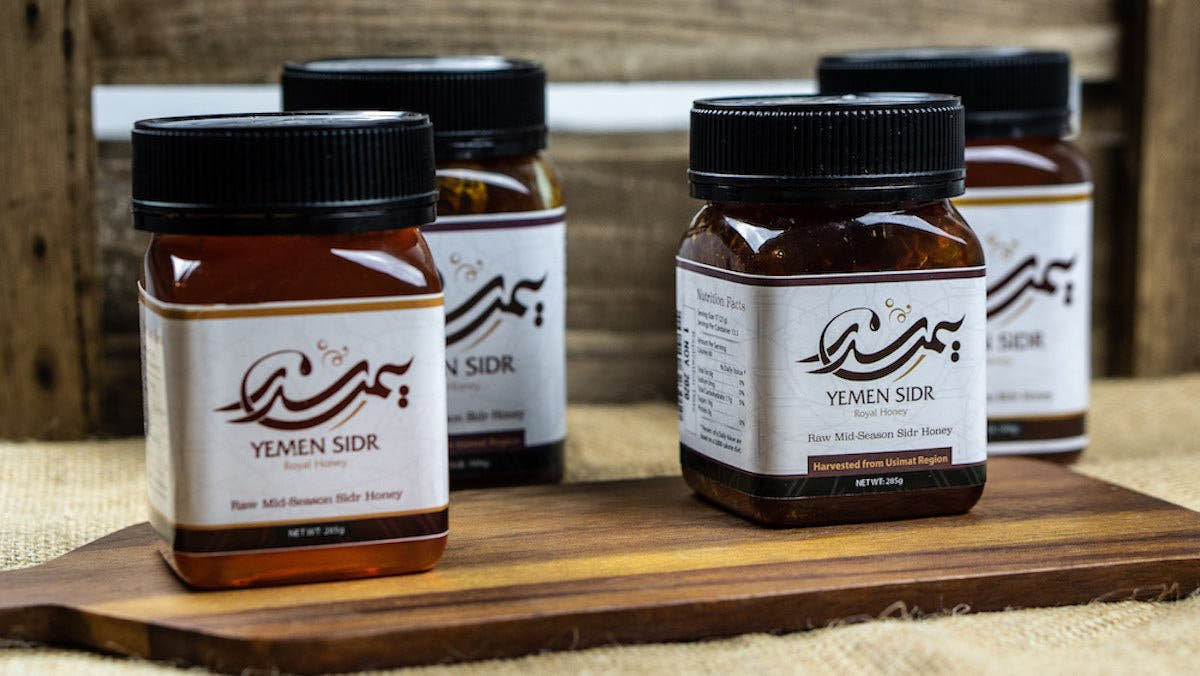
Sidr honey, explained properly
6 min read
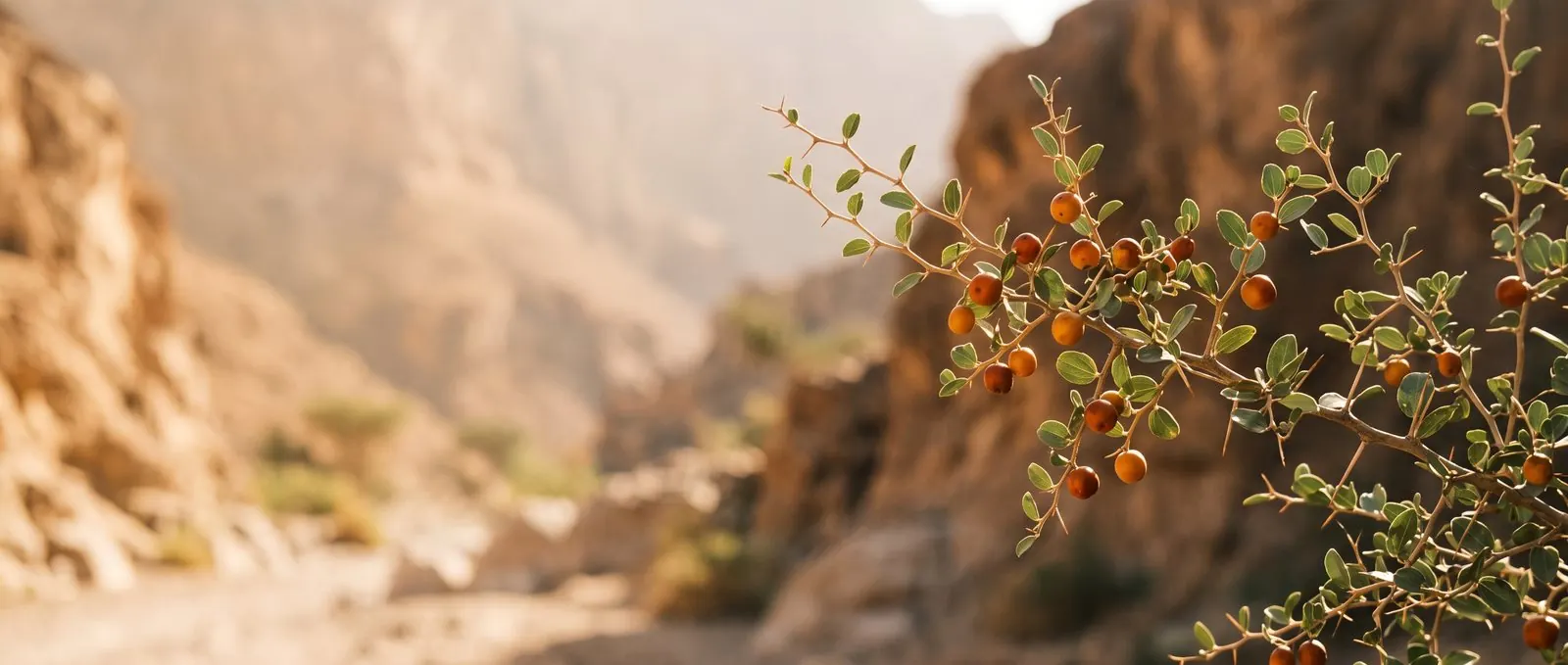
What is Sidr? The tree, the word, and its names around the world
Sidr is the Arabic name for Ziziphus spina-christi, the lote tree of the Quran. What the word means, what the tree gives, and what it is called in Hindi, Urdu, Malay and more.
5 min read
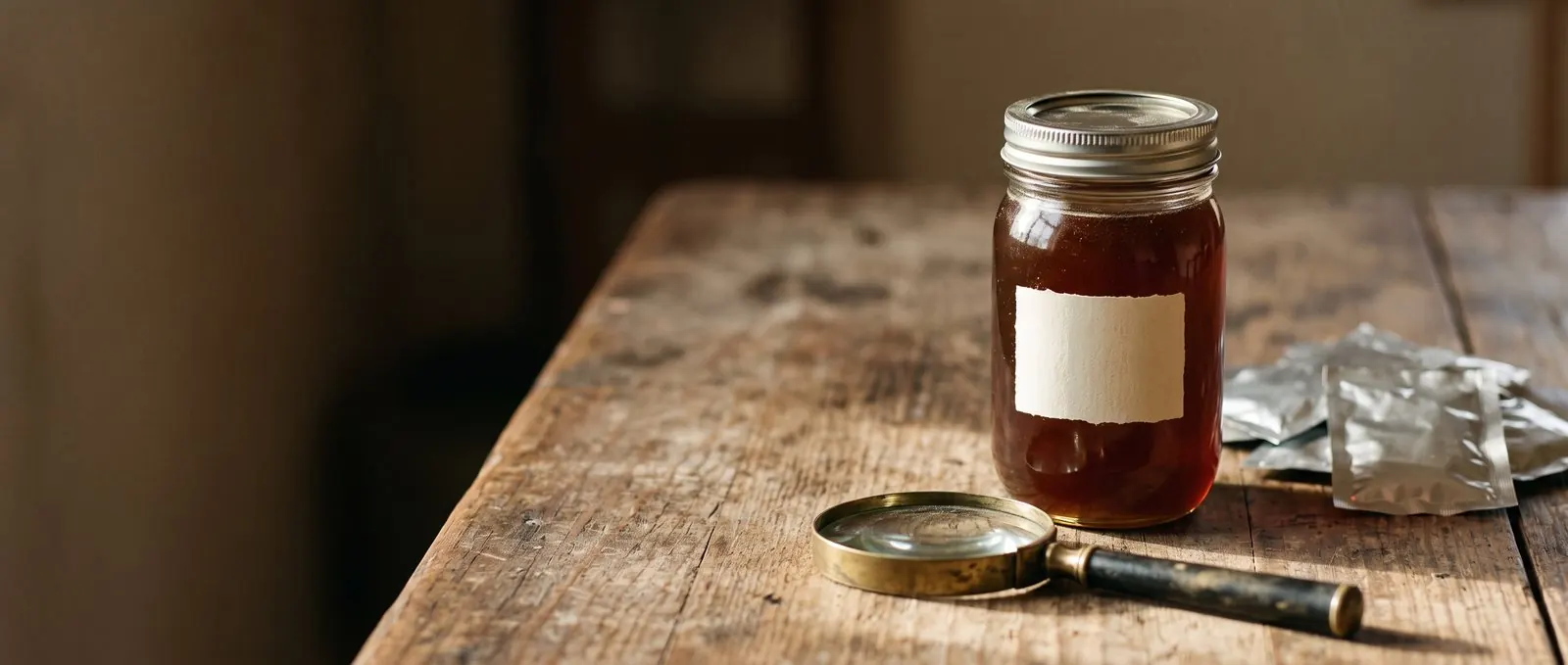
'Royal' Yemeni honey: what the word means, and what to avoid
'Royal' is not a grade of honey. What the word means on a Yemeni honey label, why it is on ours, and why 'royal honey' sachets are a different product the FDA warns about.
6 min read
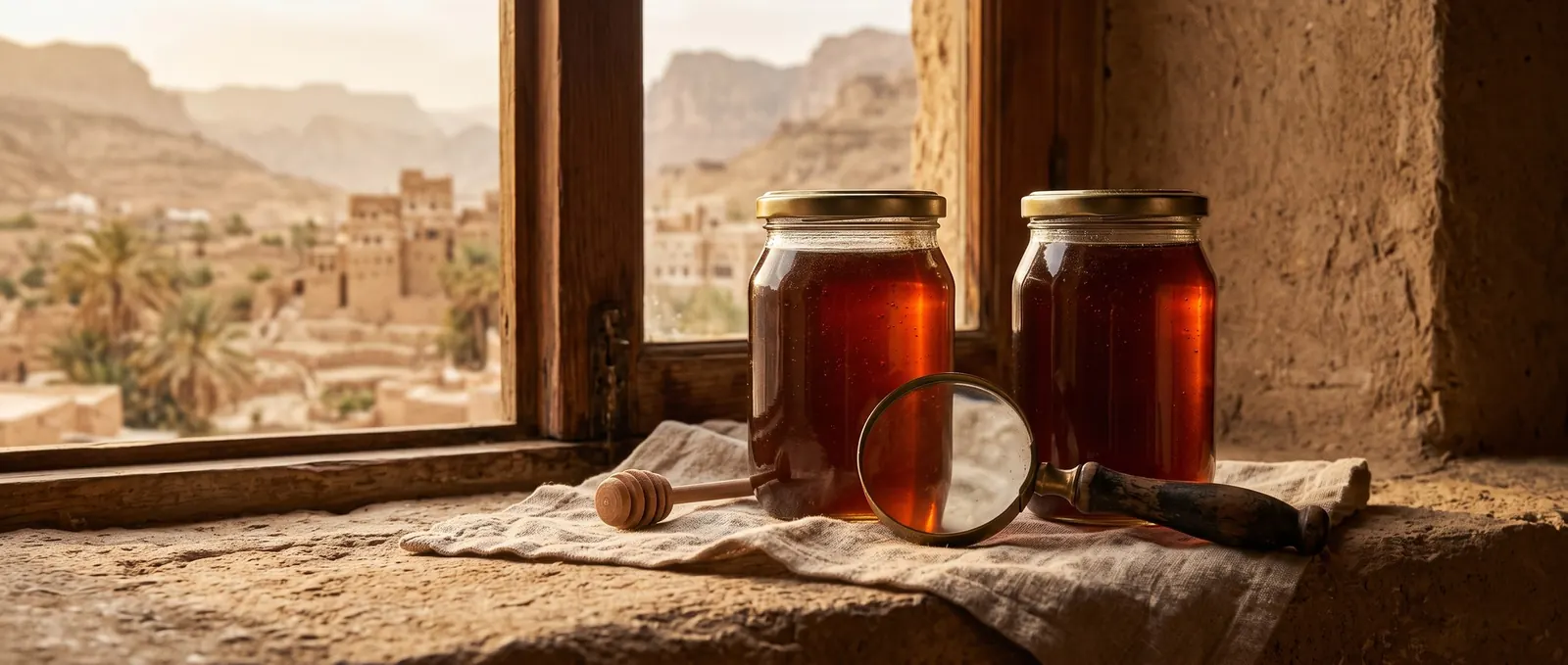
How to tell real Sidr honey from fake
The kitchen tests don't work. What does: supply-chain questions any genuine seller can answer, price arithmetic, and knowing what crystallisation really means.
6 min read
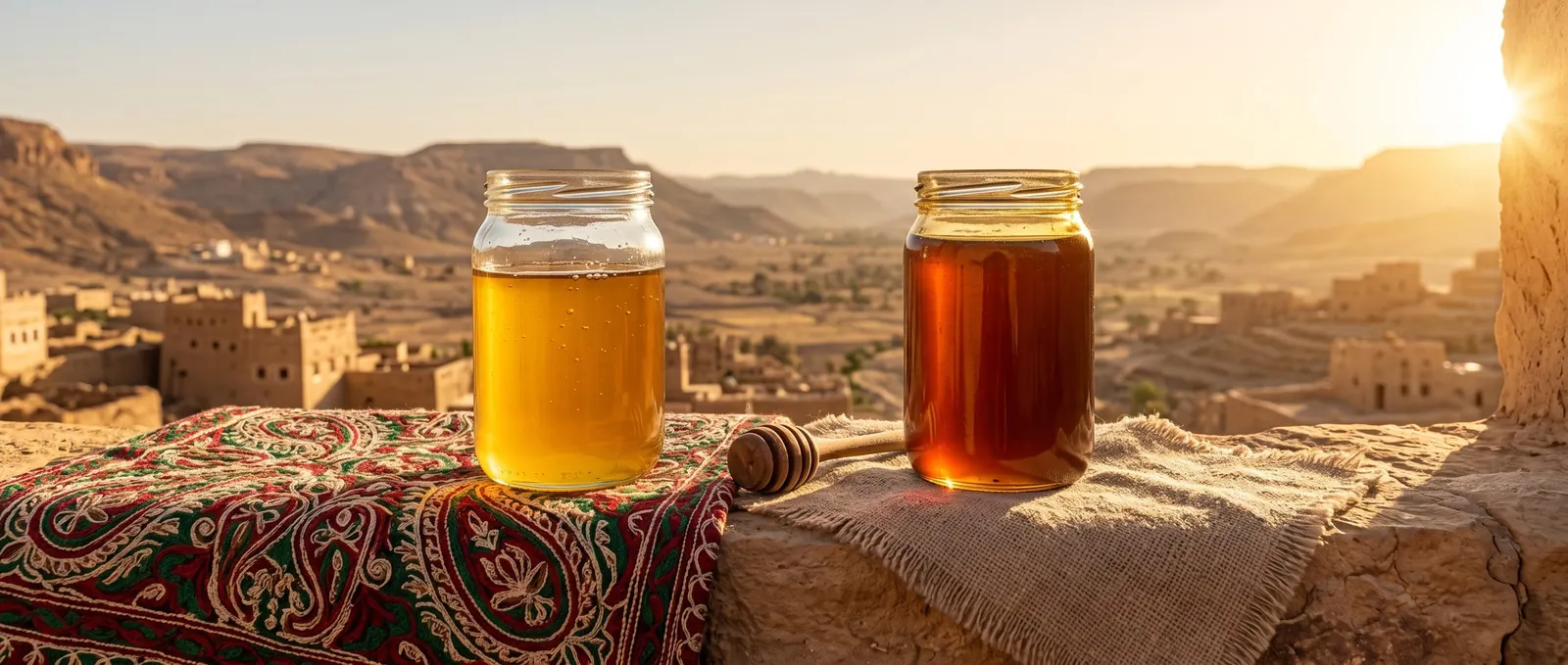
Kashmiri Sidr vs Yemeni Sidr: what's actually different
One is a multi-species jujube honey from temperate Kashmir at $30–40/kg; the other a single-species harvest from Yemen's arid valleys. Both real — not the same product.
6 min read
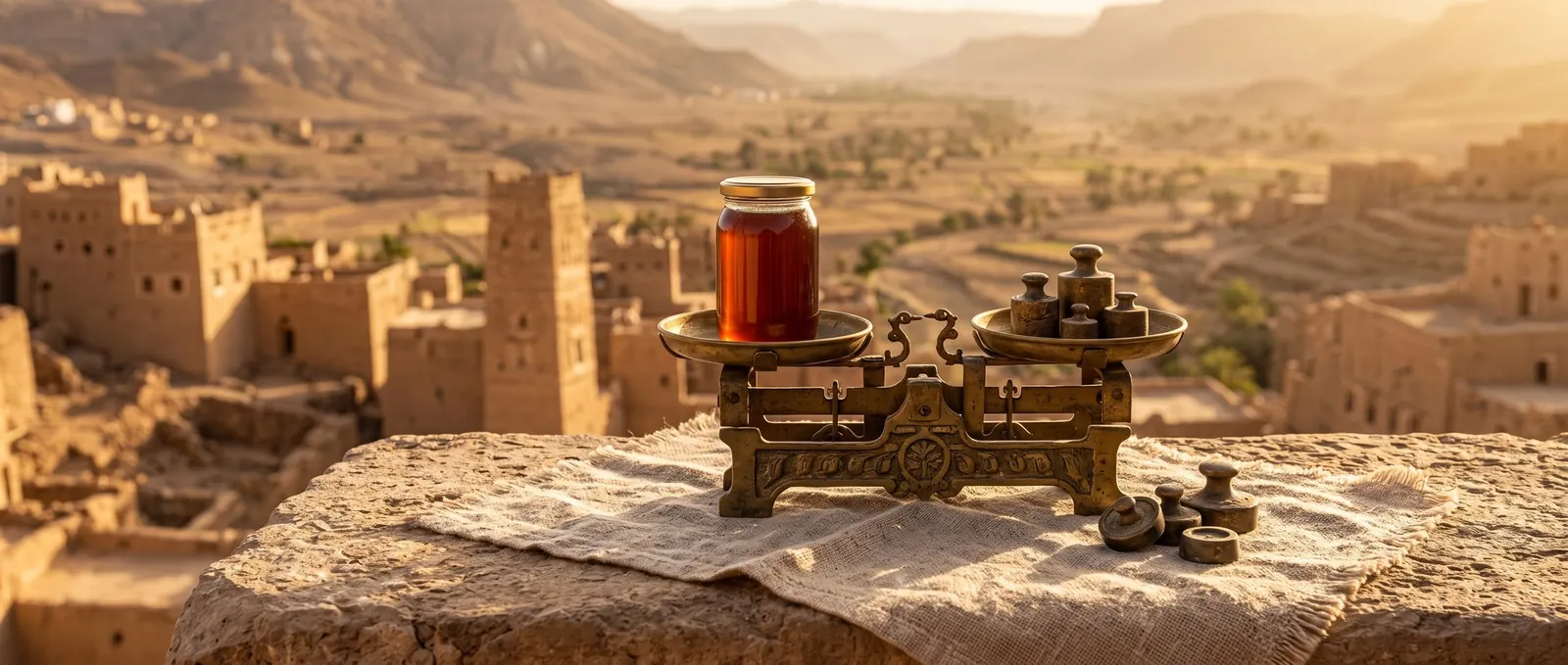
Why is Sidr honey so expensive?
Genuine Yemeni Sidr runs $150–500 per kilogram while supermarket honey costs $10. The gap is not mystique — it is bloom windows, wild trees and yield arithmetic.
6 min read
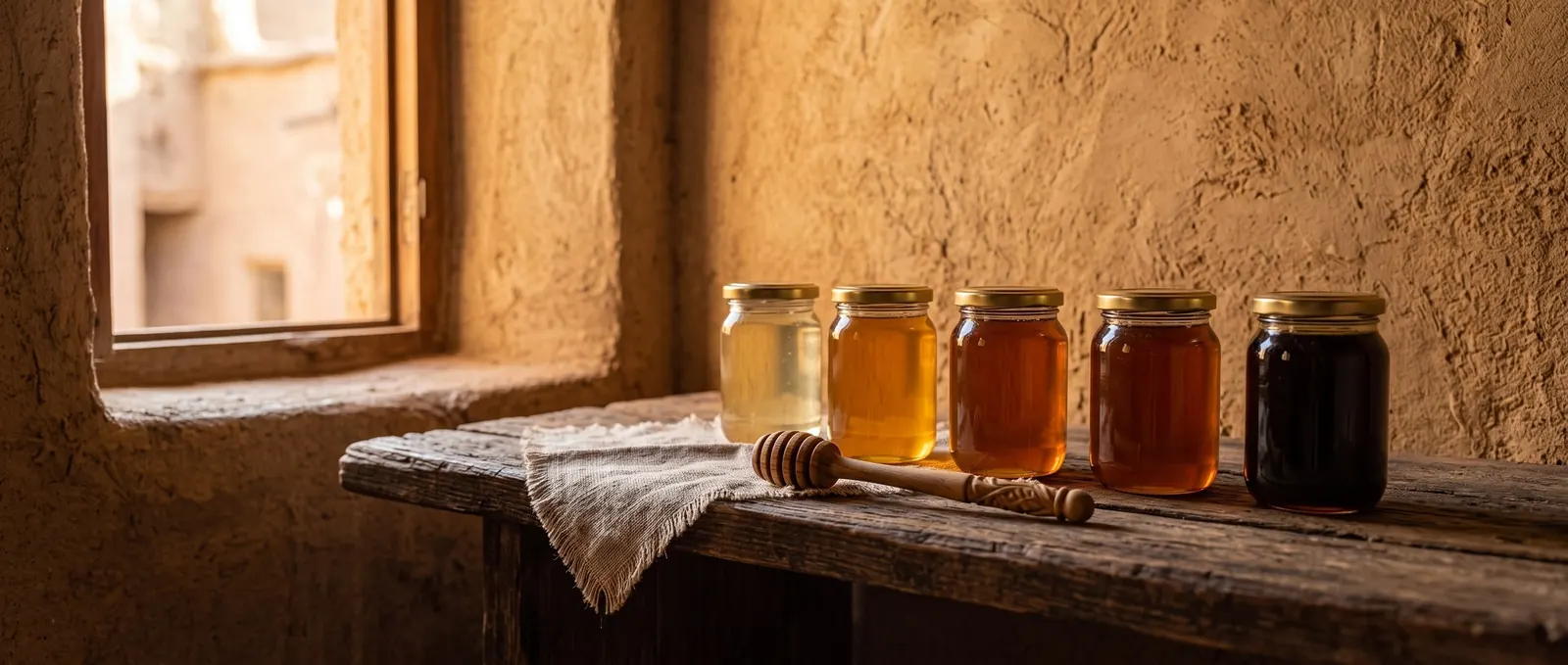
Manuka honey alternatives: an honest shortlist
High-UMF Manuka prices send many buyers looking elsewhere. What actually compares — Sidr, Tualang, Jarrah, buckwheat — and how to judge any of them without a grade.
6 min read
Yemeni Sidr honey vs Manuka: an honest comparison
Manuka has the marketing and the grading system. Sidr has the rarity and the harvest window. Here is how the two actually differ, including where Manuka wins.
4 min read
How to eat Sidr honey (and how not to)
Heat, storage, dosage and the one common mistake that wastes expensive honey. A practical guide to getting the most from a jar.

5 min read
The long history of Yemeni honey
Yemen's honey trade is older than most countries. A short history of Hadramout beekeeping, from the incense routes to the present day.
6 min read
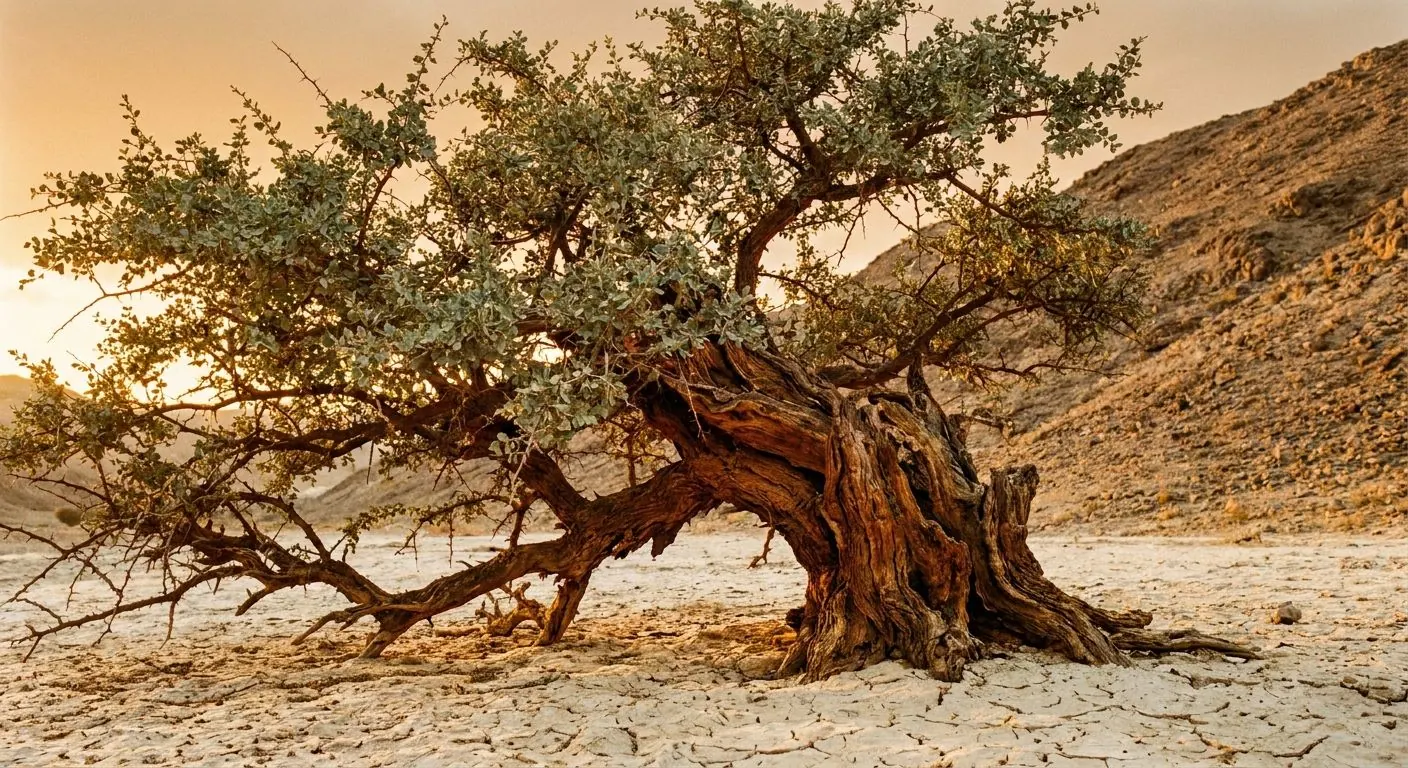
The Sidr tree: what it is, where it grows, and why it matters
Ziziphus spina-christi — the thorny tree behind Sidr honey. Where it grows, why it survives on almost no water, and what that has to do with the honey's price.
5 min read
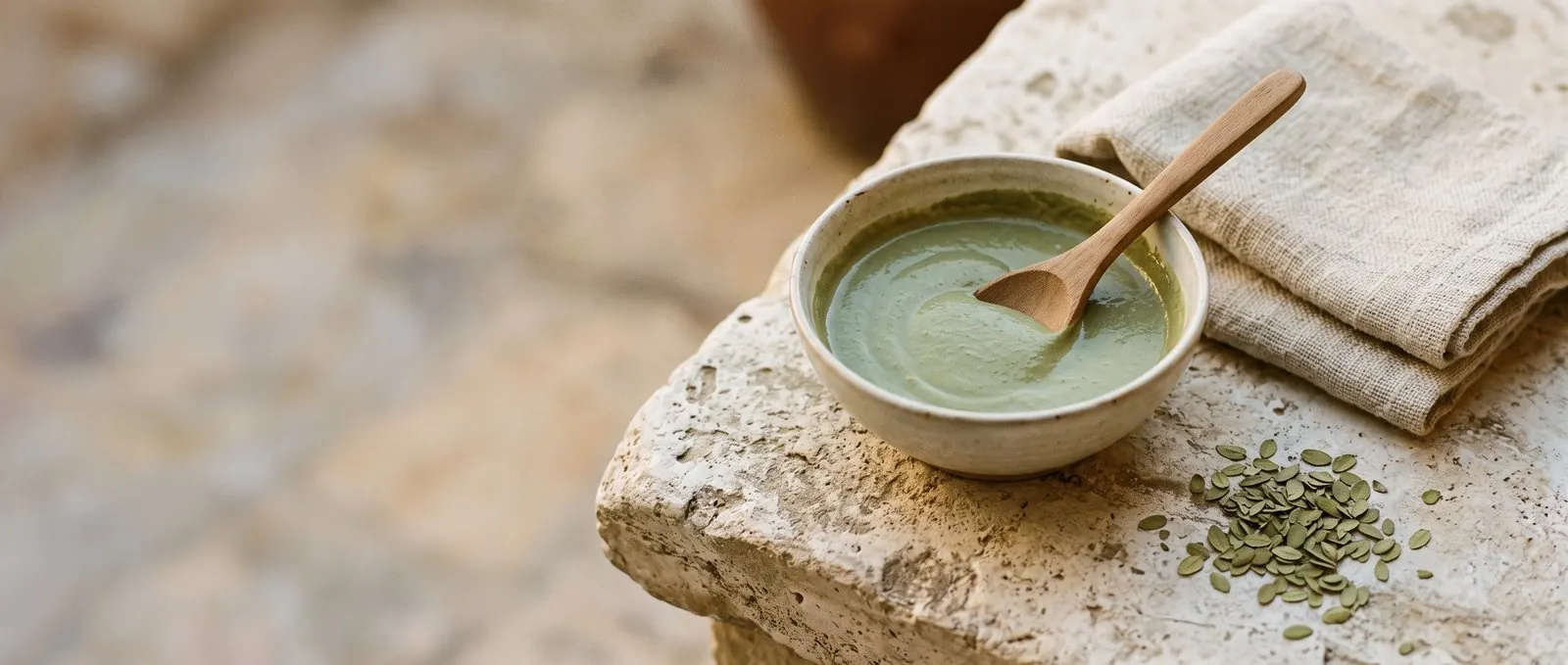
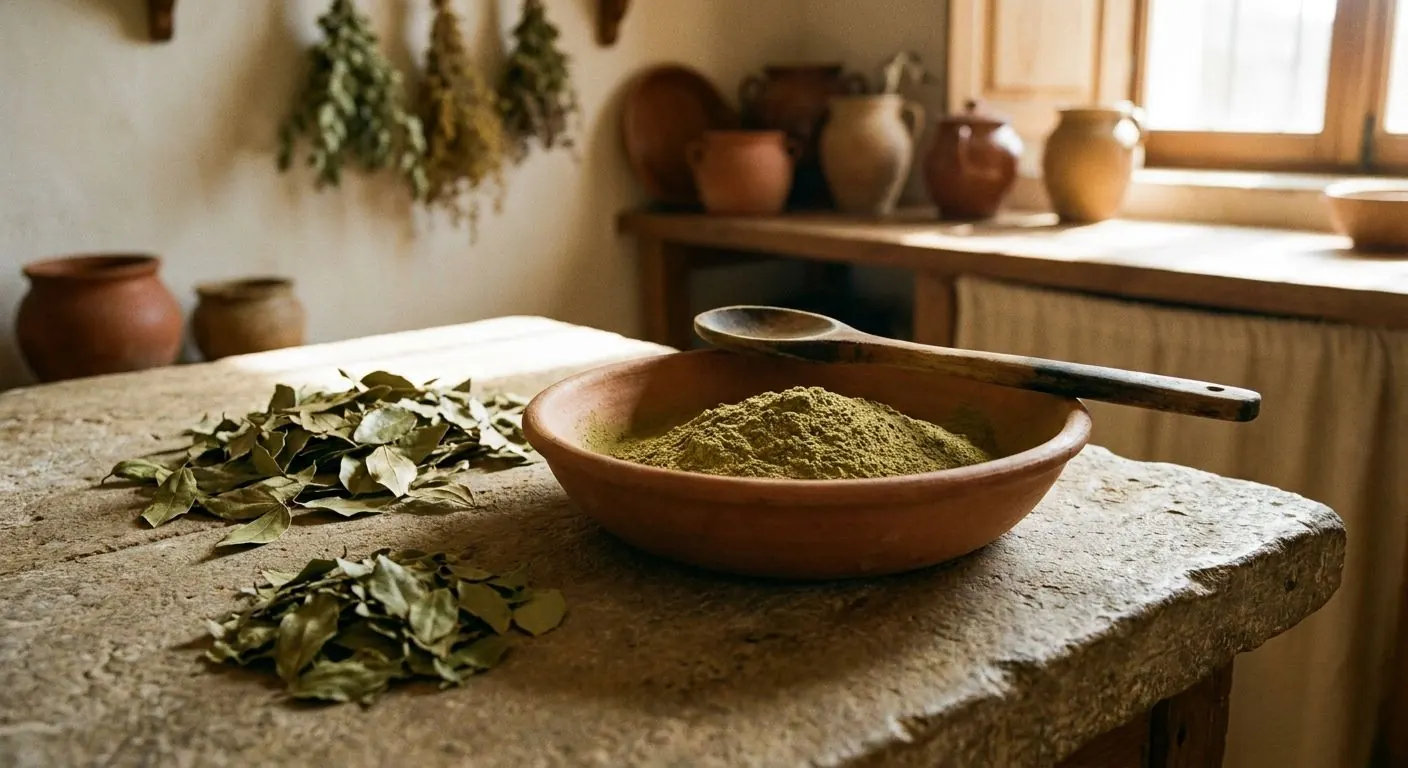
Sidr leaf powder: what it is and how it is used
Sidr leaf powder is dried, ground Ziziphus spina-christi leaf, used for centuries as a hair and skin wash. What it is, how it is prepared, and what it will not do.
5 min read
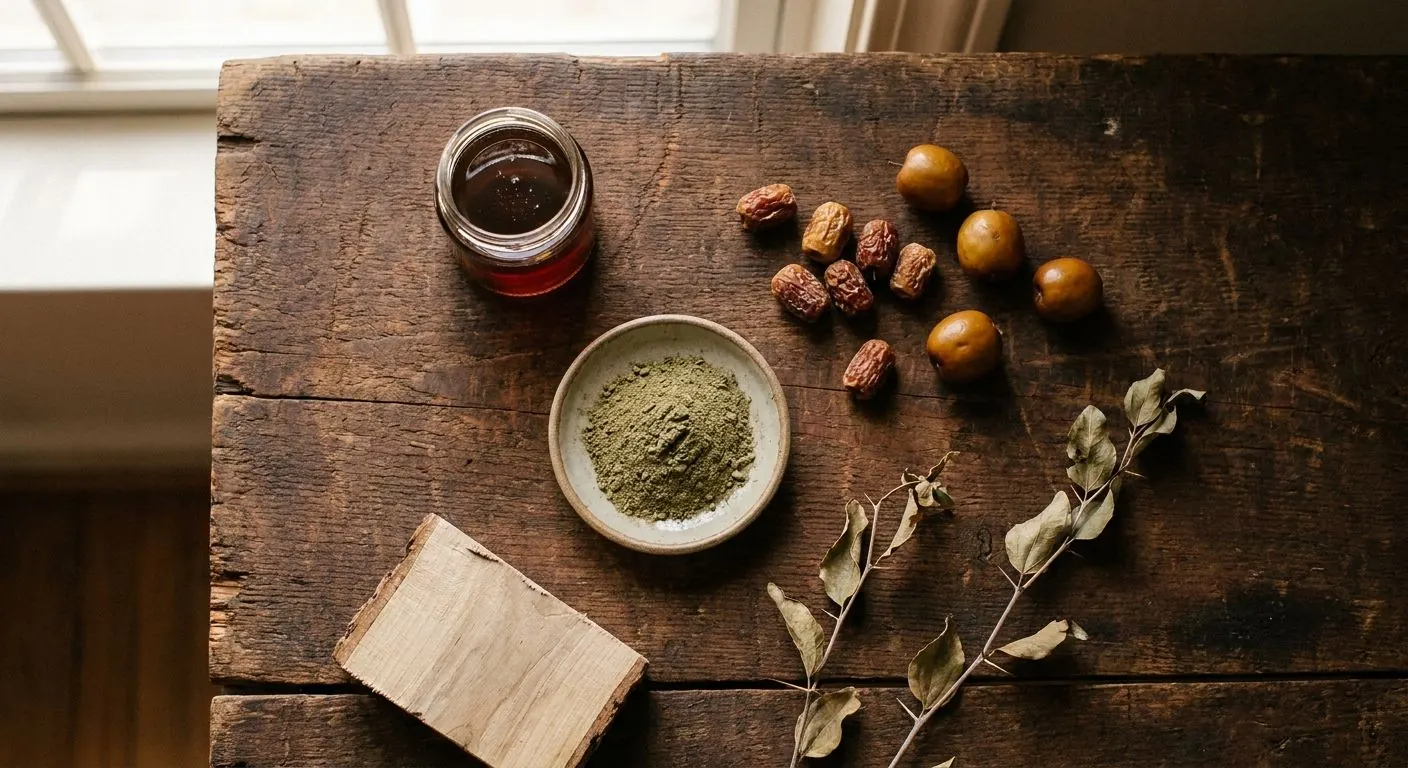
The other things the Sidr tree produces
The Sidr tree gives honey, a date-like fruit, leaf powder for washing and dense timber. What each one is, how it is used, and which are worth seeking out.
7 min read
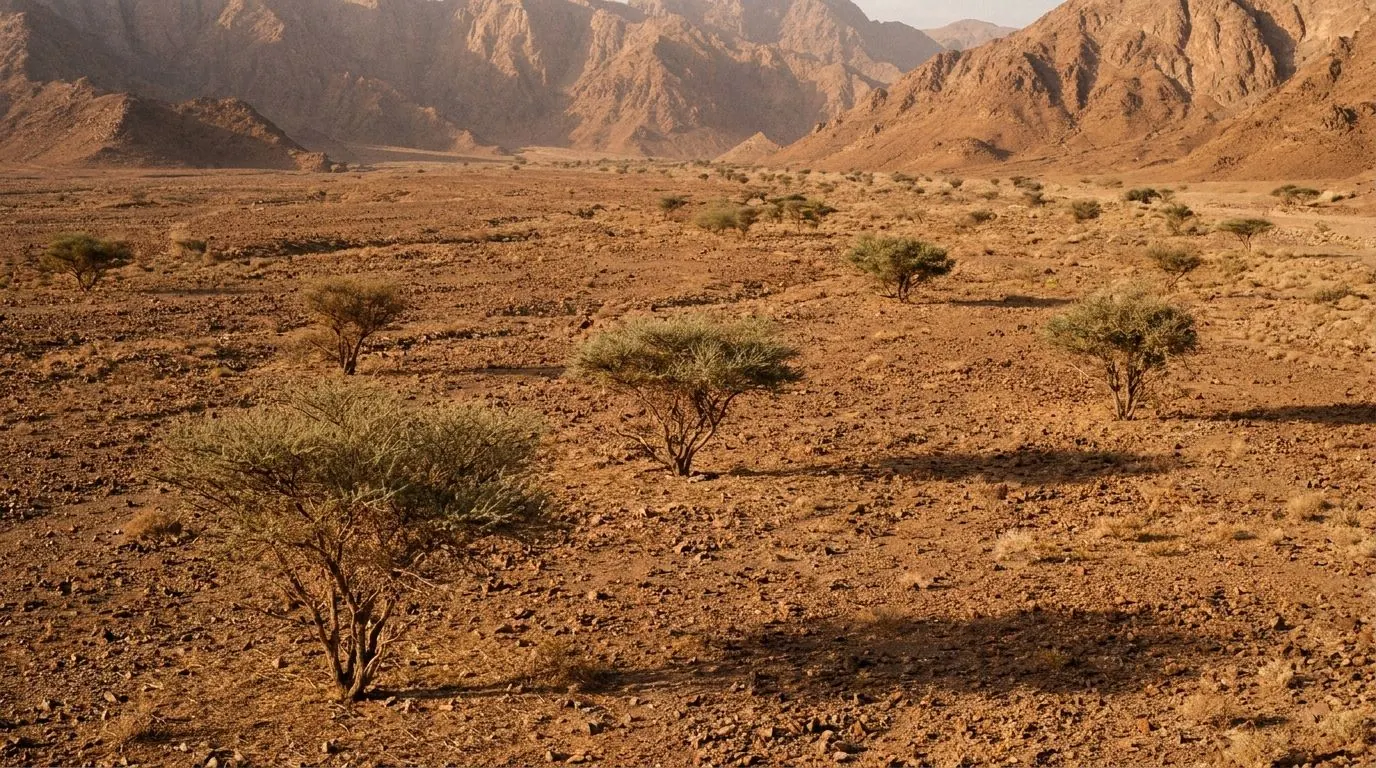
What makes Yemeni Sidr different from other Sidr honey
Sidr honey is also produced in Saudi Arabia, Pakistan and India from the same tree. The difference is water, altitude and harvest method — here is what each one changes.
5 min read
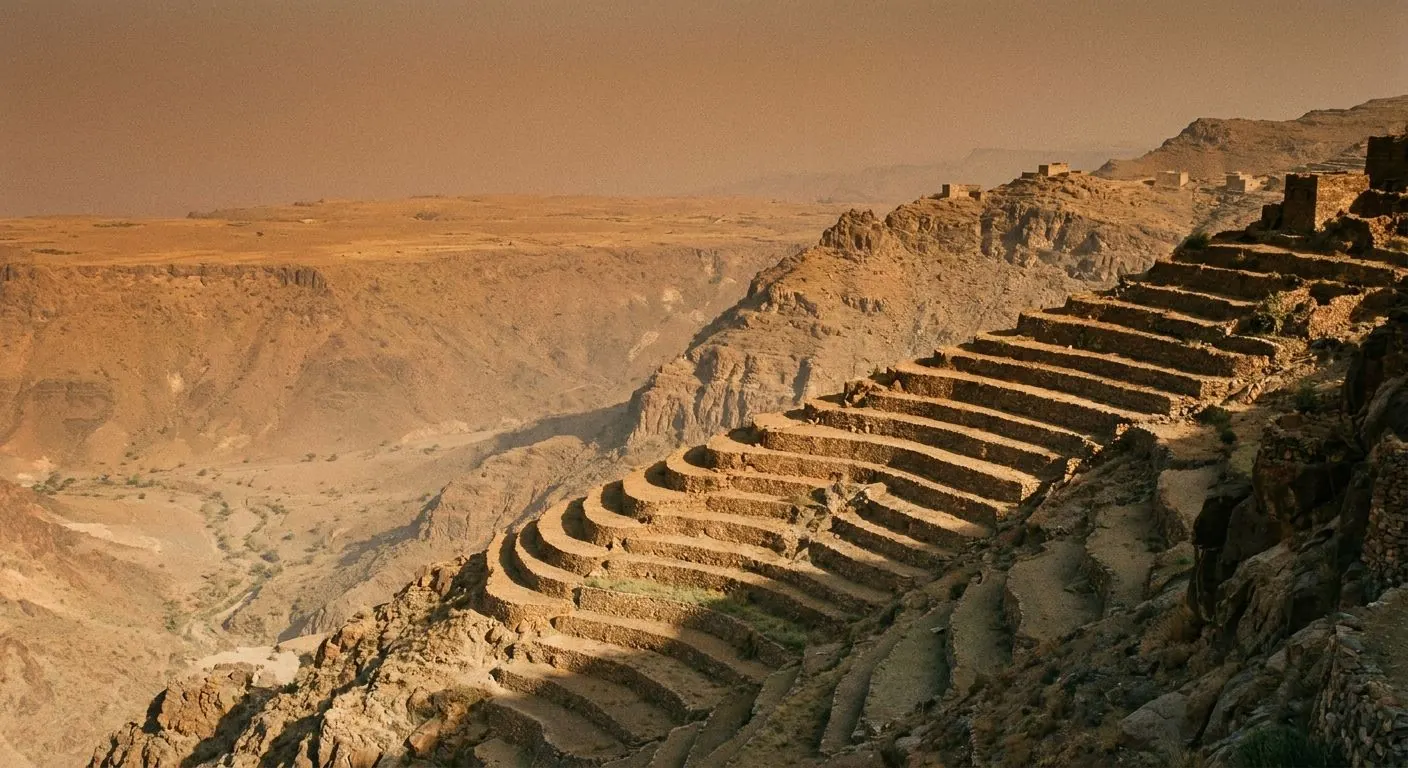
Why Yemeni honey is unusual
Yemen has produced honey for millennia and its honey commands prices little else matches. The reasons are geography, an old beekeeping culture, and very small yields.
5 min read
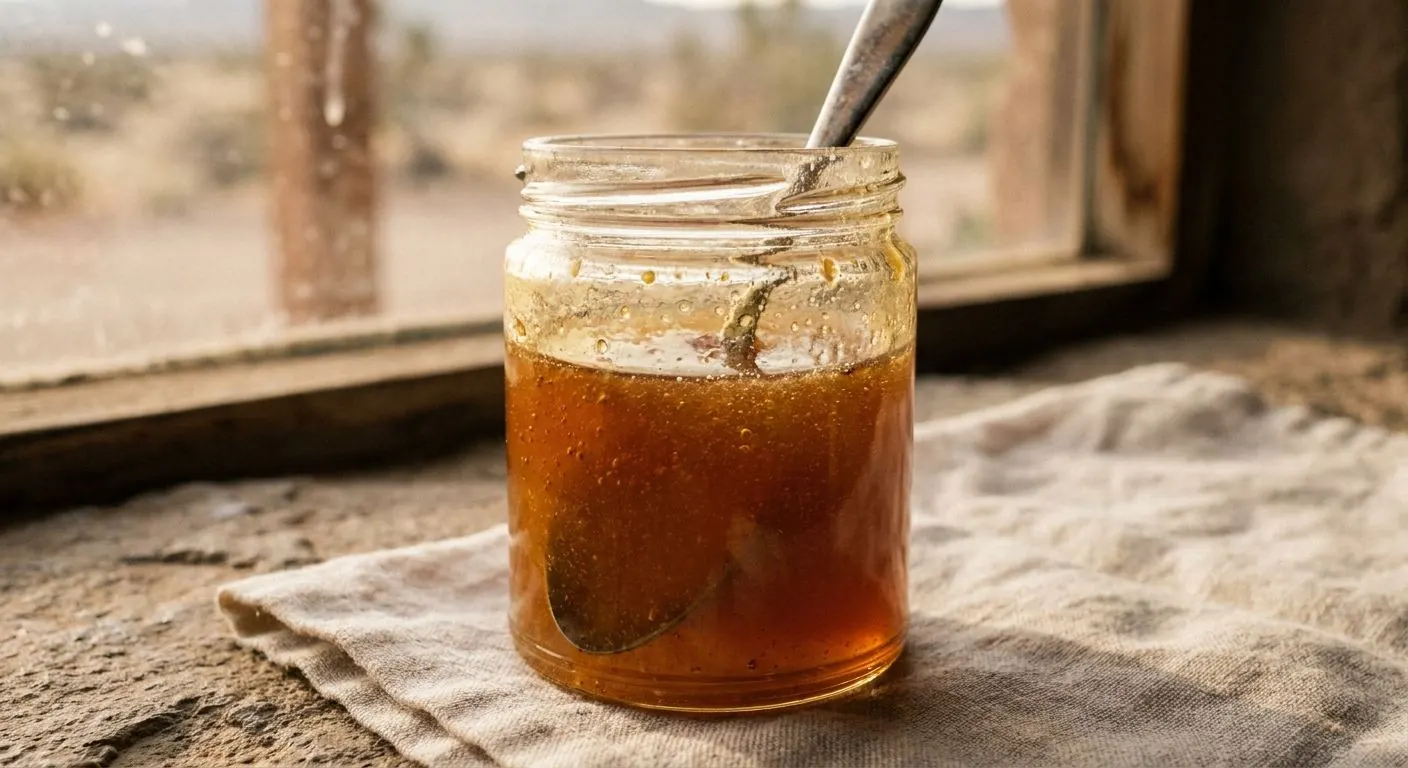
What raw honey actually means, and how to use it every day
Raw means unheated and unfiltered — but the word is unregulated, so it proves nothing on its own. How to tell, how to store it, and how to use it daily.
4 min read
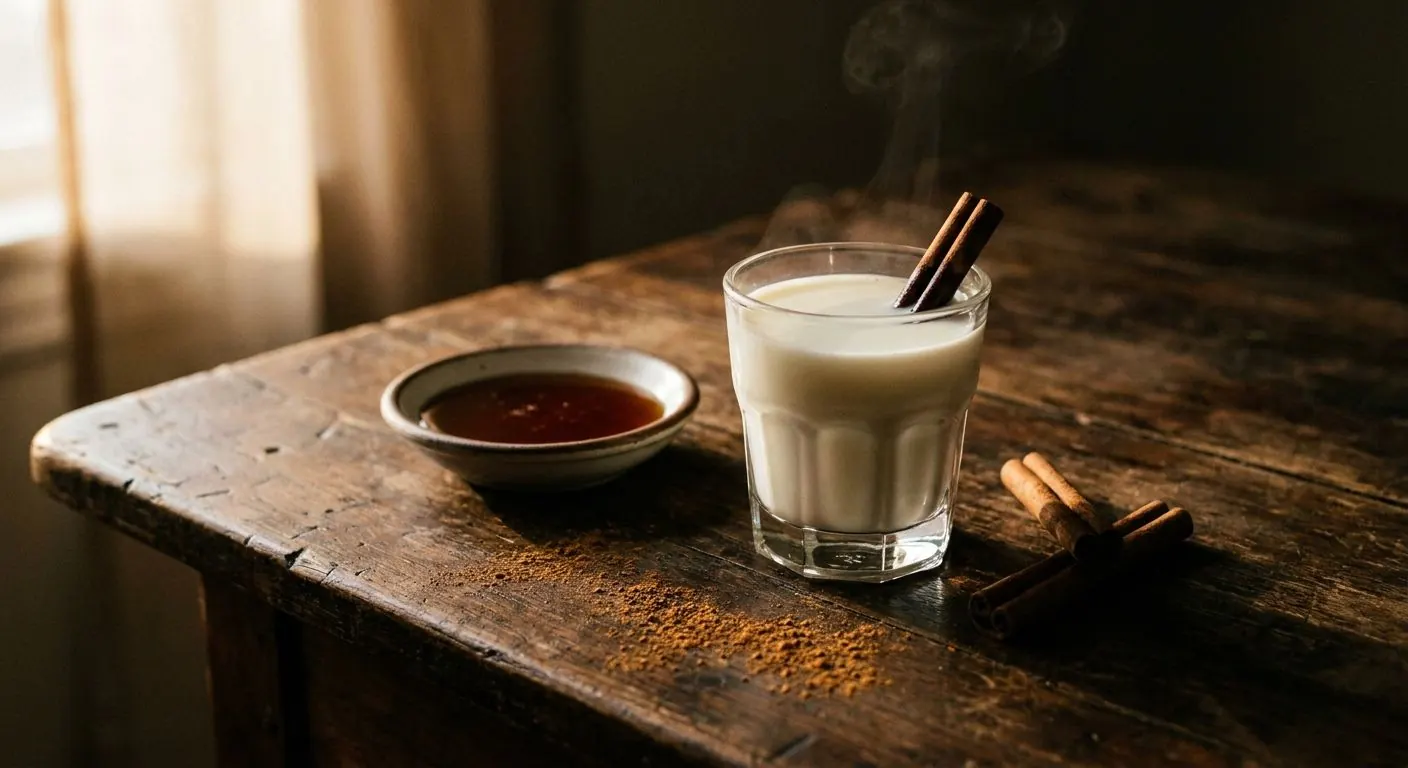
Honey and cinnamon: why the pairing works
Honey and cinnamon is one of the oldest pairings in Arab cooking. What each brings, which cinnamon to use, and four ways it is eaten in Yemen.
6 min read
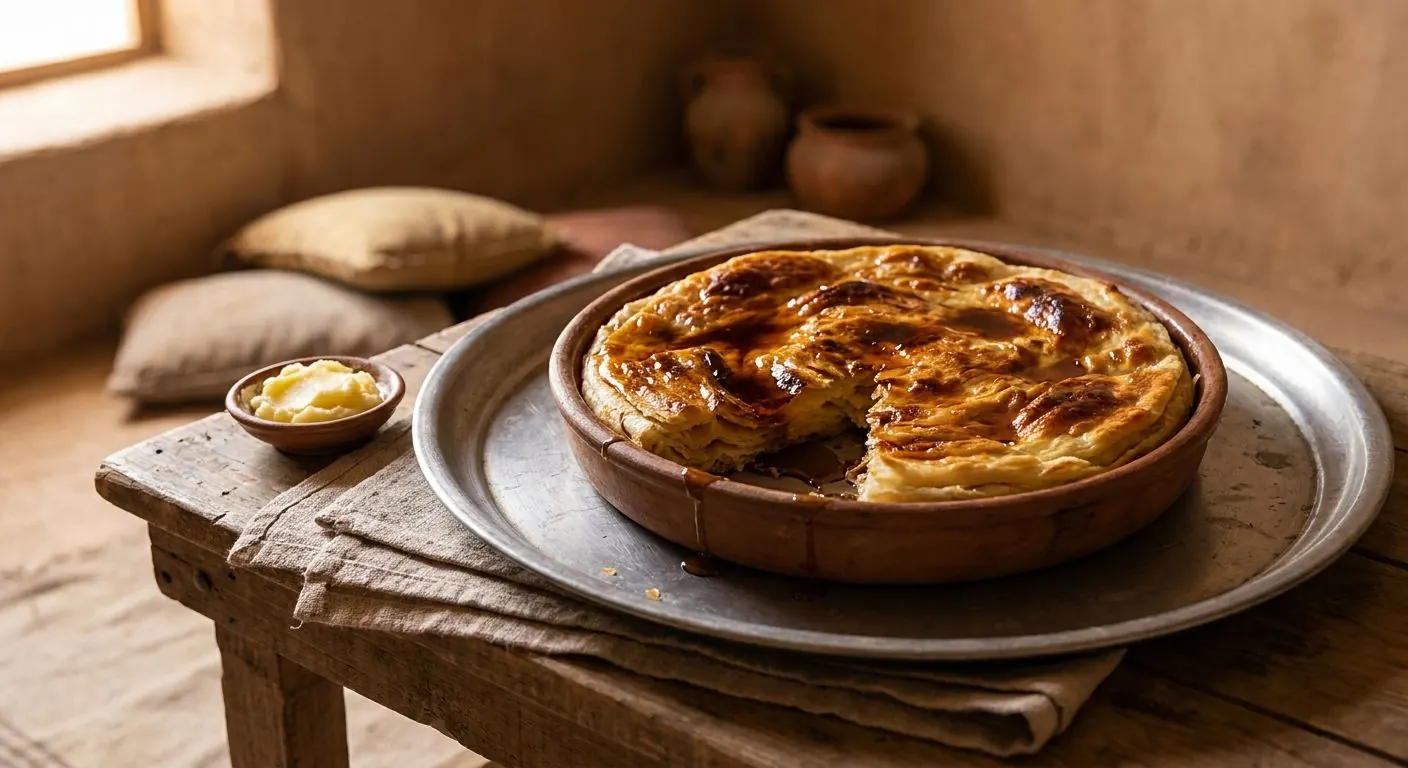
Four Yemeni dishes that use honey
Bint al-sahn, masoub, honeycomb bread and honey with labneh — four Yemeni dishes built around honey, with notes on which honey suits each.
5 min read
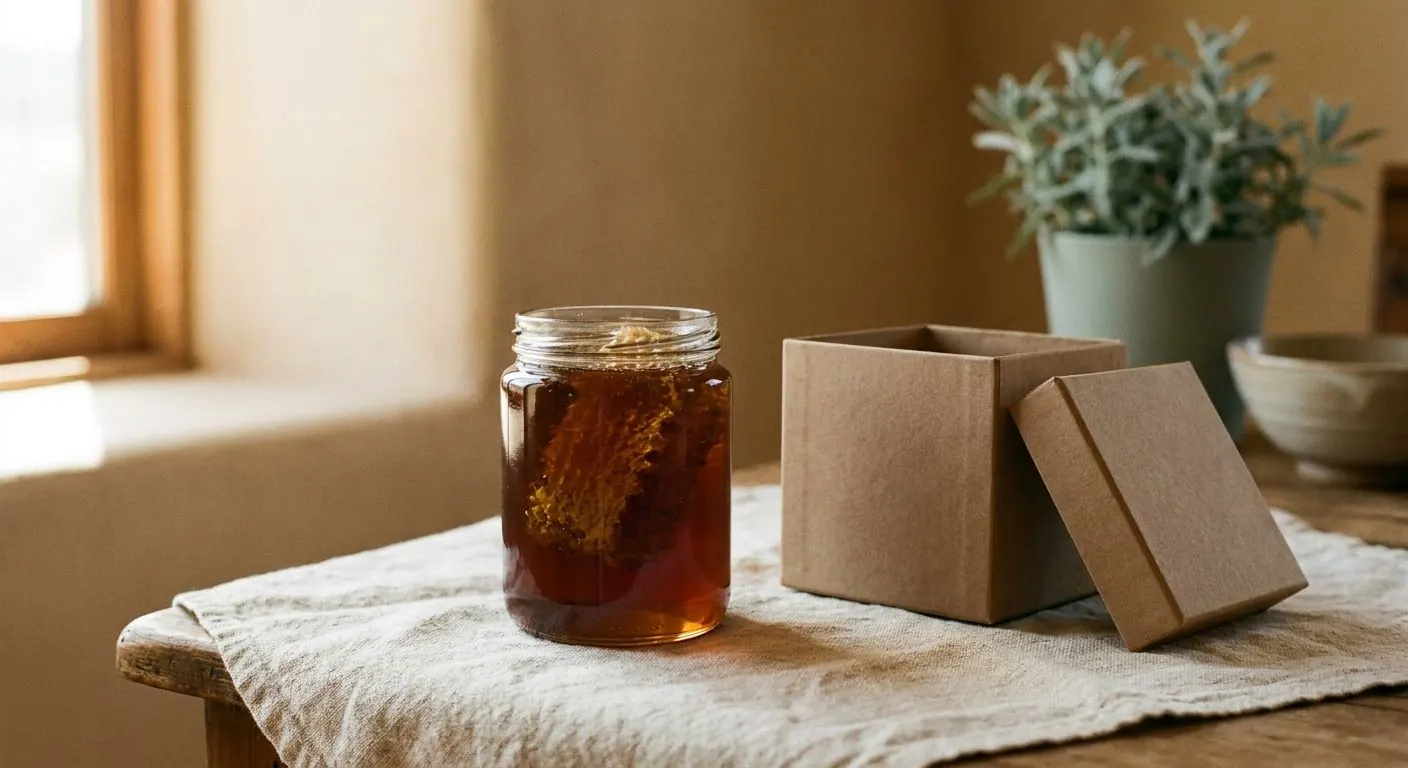
Sidr honey as a gift: what to know before you buy one
Honey makes an unusually good gift — it keeps indefinitely, needs no sizing and suits almost everyone. Which Sidr to choose, and the two people not to give it to.